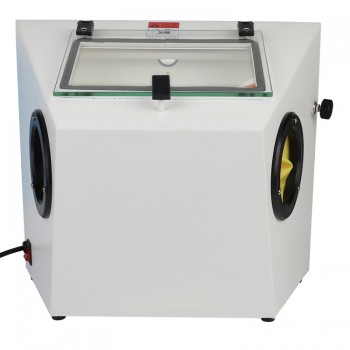
A jewelry sandblaster is a powerful tool for creating matte finishes, surface textures, and precise cleaning effects on metal pieces. While compact compared to industrial blasting systems, it still operates under high pressure and uses abrasive media that can pose risks if handled improperly. Establishing clear safety guidelines is essential for protecting both the operator and the workspace.Understand the Equipment Before UseBefore turning on a jewelry sandblaster, take time to read the manufacturer’s manual and become familiar with the machine’s components. Most units consist of a sealed cabinet, a viewing window, internal gloves, an air compressor connection, and a media control system. Knowing how each part functions helps prevent misuse. Always inspect hoses, seals, and connections for cracks or leaks. Even a small air leak can reduce efficiency and create unsafe pressure conditions.Wear Proper Personal Protective EquipmentAlthough jewelry sandblasters are typically enclosed systems, personal protective equipment (PPE) remains essential. Safety glasses should be worn in case of accidental media release when opening the cabinet. A dust mask or respirator is strongly recommended when handling abrasive media or cleaning the machine, especially if fine particles become airborne. Gloves protect hands not only from abrasive exposure but also from sharp jewelry edges. Avoid loose clothing that could catch in mechanical parts.Ensure Adequate Ventilation and Dust ControlAbrasive blasting produces fine dust particles that can accumulate quickly. Operating the sandblaster in a well-ventilated area reduces the risk of inhaling dust and prevents buildup in the workspace. Many jewelry sandblasters include built-in dust collection systems; ensure these filters are clean and functioning properly before each session. Regularly empty dust collectors and dispose of used abrasive media responsibly to maintain air quality and equipment performance.